
Lii sports studio


Child Development Support and After-School Day Services


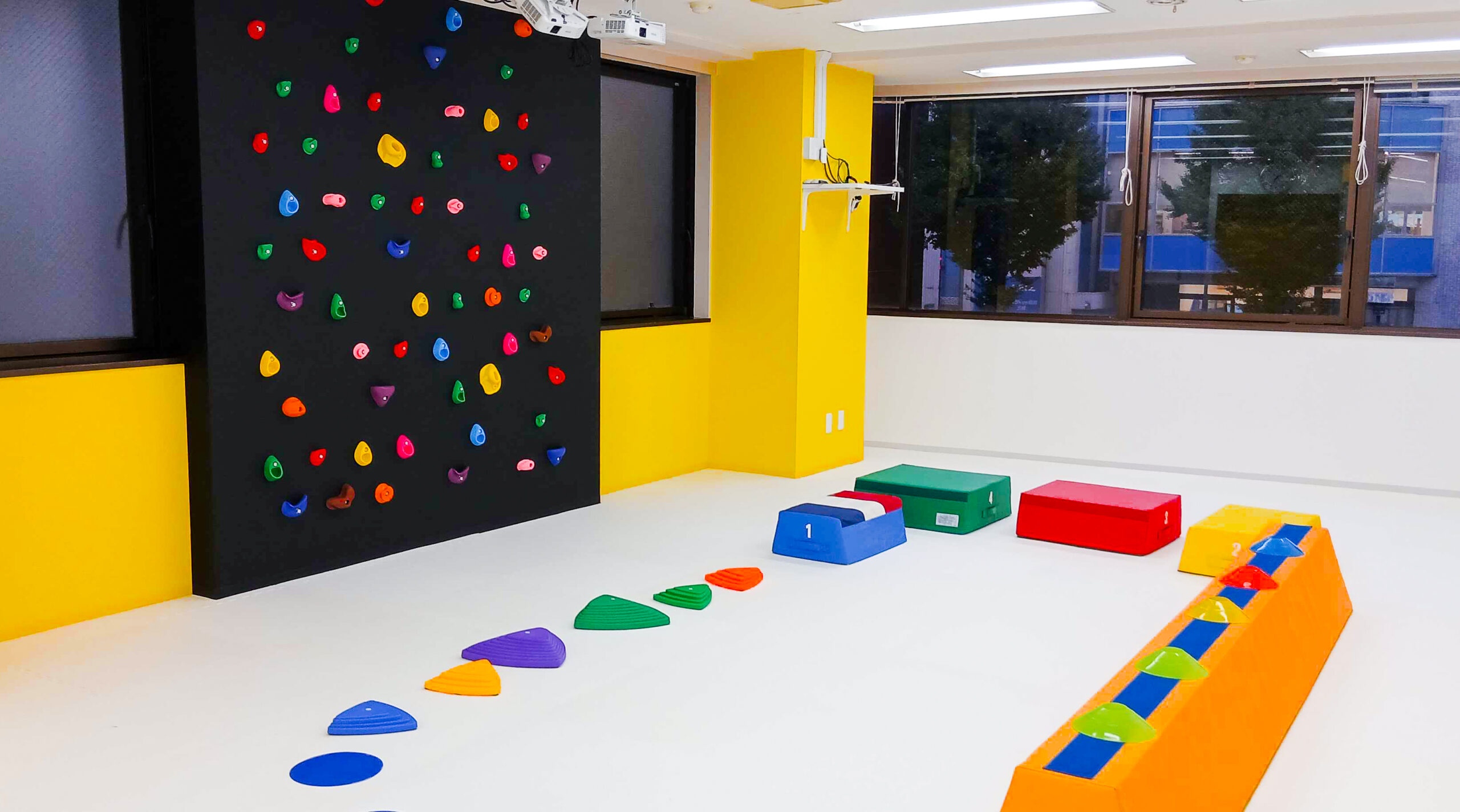
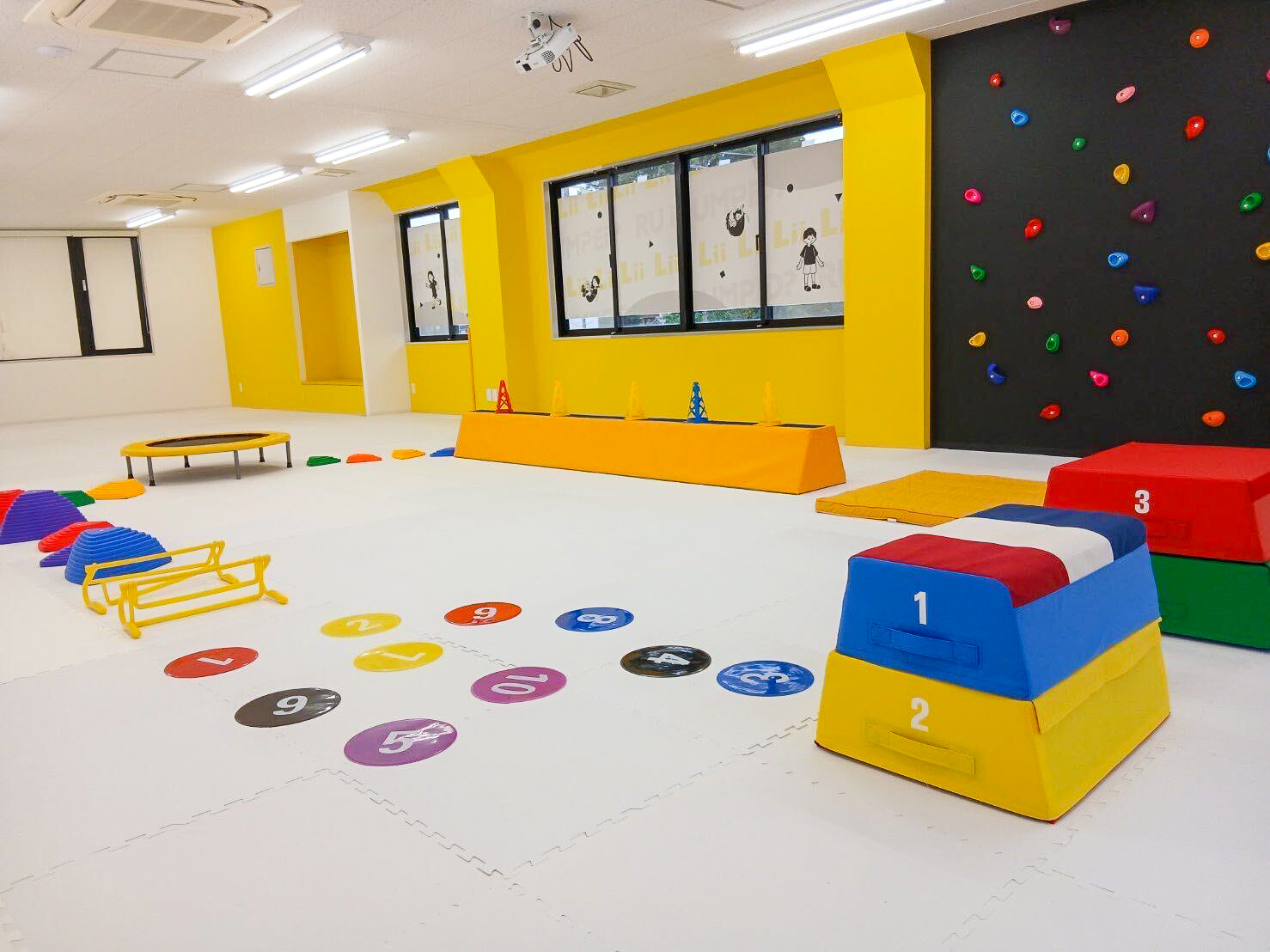
A child development support center primarily focused on physical development support for preschool-aged children.

Physical activity is an activity that fosters the five developmental domains mutually,
serving as a vital foundation that comprehensively supports children's development.

"I like sports and want to do more of them."
By enjoying physical movement, you'll master 36 fundamental movements,
and turn moving your body into exercise into a desire to "do more!"

Professor, Institute for Liberal Arts Education, Chukyo University
Specializing in research on exercise and cognitive function,
he has been studying the relationship between child development and physical activity for over 20 years.
For more than 20 years, I have been conducting research on the relationship between physical activity and cognitive development. Based on the body of research accumulated to date, I believe it is a scientifically established fact that physical activity promotes cognitive development in children¹ ). What has become clear from this body of research is that the specific type of physical activity is not the essential issue; rather, what matters is having as many opportunities as possible to be physically active and maintaining that activity over time. The key to sustaining physical activity is the experience of finding it enjoyable.
On the other hand, many current sports programs tend to place an emphasis on improving technique and athletic performance. Of course, improving technique and athletic performance can sometimes be enjoyable in and of itself, and we do not deny that. However, particularly during early childhood and childhood, we believe that experiences that make children think, “I want to do this more” or “I want to do this again”—rather than the improvement of technique and athletic performance itself—form the foundation for lifelong exercise habits 2).In this regard, Lii Sports’ approach—which focuses on the enjoyment of physical activity—is truly unique, and I feel it captures the essence of fostering lifelong exercise habits.
Furthermore, since there is overlap between the brain regions that support cognitive function and social skills, physical activity may contribute not only to cognitive function but also to the improvement of social skills³). Lii Sports’ approach—which prioritizes fun while simultaneously fostering the development of communication and interpersonal relationships—supports children’s multifaceted growth. As a new model that transcends the traditional framework of physical education classes, it suggests a new direction for future physical activity programs.
DEA2000

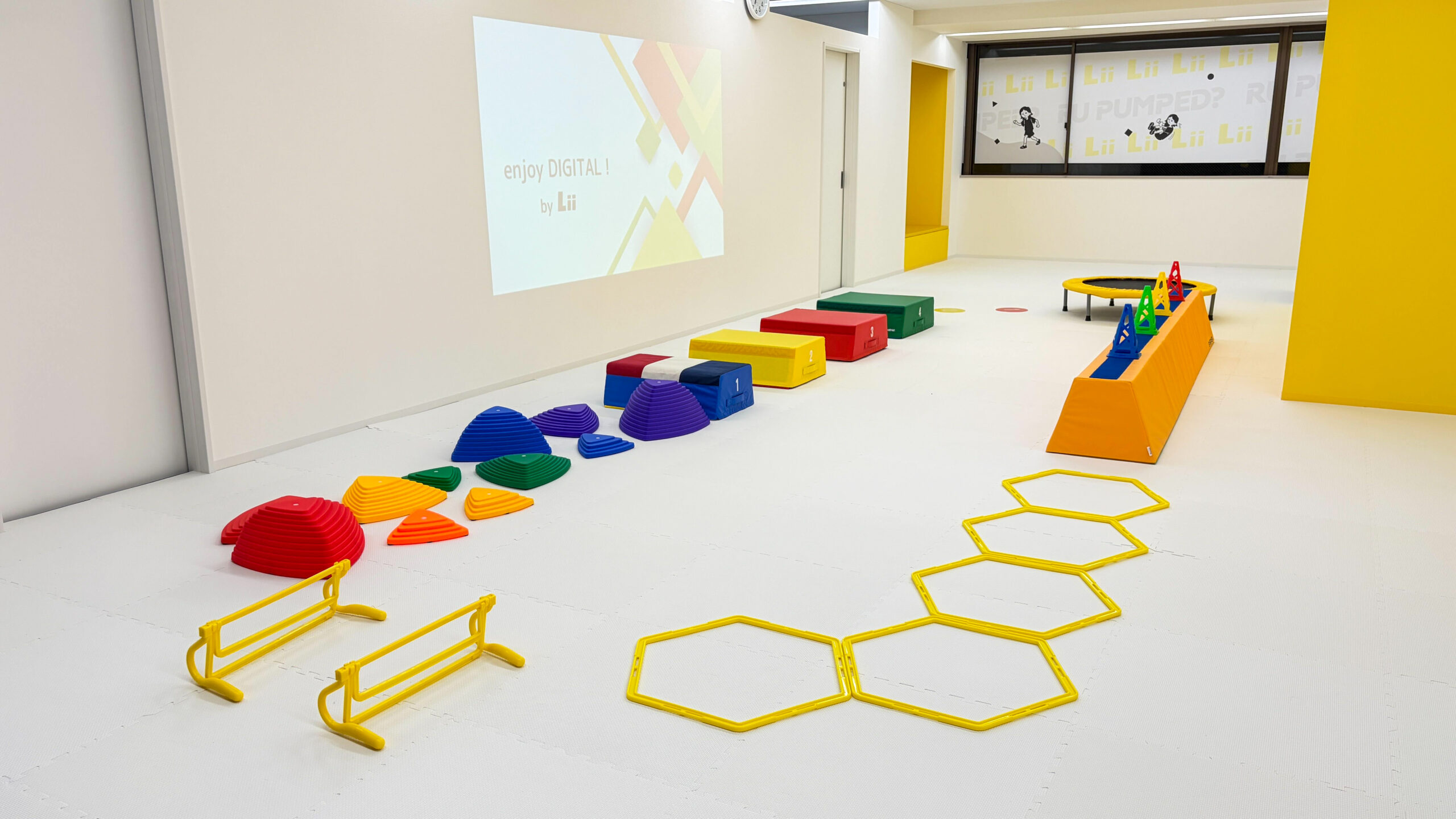
Lii Using digital exercise programs developed by sports, we draw out "I want to do it" and "I did it" through interaction with the environment. We tailor settings from over 2,000 types of content to match each child's senses, age, and strengths. While having fun, it naturally nurtures development in areas like physical movement, attention, thinking, and emotional control.
※DEA2000 stands for Digital Ecological Approach 2000.
Photo/video feedback

Lii
sports provides "photo/video feedback" on each day's activities. The reason? We want to share those "moments of growth" that words alone can't convey. Seeing themselves giving their all, and receiving praise from Mom and Dad for that effort, builds tremendous confidence and fuels their next step forward.
Please make documenting growth with Lii
sports a new family tradition.
#We want to deliver "real growth" that can't be conveyed by text alone
#We want to deliver "the moment they can jump the vault" rather than "they can now jump the vault." I want to show you "the moment when you are flying"
#I'm more than happy if you can see me working hard!
2:15 PM Arrival!

After putting away my shoes and bag, I immediately ran around a lot playing ball tag with my coach.

My child runs to the studio after getting out of the car. He wants to play balloon volleyball with the coach, so he makes a mad dash to get ready!
2:30 PM Exercise and Stretching

After greeting each other in a loud voice, we do the usual exercises and stretches! Sometimes I try to be a model, sometimes I try to include original imitation exercises, and even gymnastics is fun♪
2:30 PM Head to a nearby cafe

I spend my fleeting alone time reading at a café near the studio. I also enjoy exploring hidden places to eat and drink.
2:45 PM Program

Secret training with Lii for the jump rope at kindergarten! I could only jump once before, but after lots of practice with my coach, I managed 8 jumps in a row today!
3:00 PM Go shopping

I can quickly do the shopping, which is not always easy with a child in tow. I also buy snacks for my child, who works hard and exercises a lot, as a reward (laugh).
3:50 PM Returned home

The coach praised me for my jump rope and how well I can turn it and jump! I want to practice at home too, and next time I want to surprise my coach!
3:20 PM Developmental Support Observation

My child, drenched in sweat and beaming with joy, looks so happy whenever the coach showers them with praise—it makes me happy every single time.


Boy mom
Started attending 4 years old
He worked on the jumping box and jump rope in small steps at my son's pace, and over the course of 10 months, he was able to do both (tears). When I saw the video, I was so impressed that I forwarded it to my husband and grandparents, who all praised my son a lot! The kindergarten teachers were also very surprised when they happened to see how confident he was jumping when there was a jumping box at the kindergarten (laugh).

Boy mom
Started attending 5 years old
My son loves to move his body with his teachers! His speech has increased, and group therapy has helped him to cooperate with his friends, practice obeying rules, and learn social skills. I was surprised to learn that physical activity therapy is closely related to language development, but I am grateful to have found a wonderful therapy program that allows my son to learn gymnastics, language, and social skills while exercising.

Girl mom
Started attending 4 years old
At first, I was worried about the separation of parent and child, but the child ran to the coach despite my worries. He praised her not only for what she could do, but also for the challenge itself, which made her happy and made her very positive. She is very positive about it. She loves digital technology, so she was able to work hard on the bars, which she is not very good at, just for the fun of it!

Boy mom
Started attending 3 years old
I am also happy that the coaches are very happy to report on how my son is doing after the activity; they report on LINE about the day's program, how my son is doing, what he did well, and his challenges, and if they take videos or photos, they send those as well. I can watch these reports with my son and praise him a lot at home, so it has become a good way for us to communicate as a family.

Boy mom
Started attending 4 years old
My child was not good at group activities, but since attending Li'i, she has learned to work hard at things she can't do, to take turns, to care about her friends, and most importantly, she and her parents are talking more! I was amazed at how much he changed in such a short period of time! Even the kindergarten teachers were surprised at the transformation (growth) of my child (laugh).

Boy mom
Started attending 5 years old
My son was hyperactive, but he was not good at predicting danger, and his core was weak, so he fell down easily. I felt a big change in one month after he started attending.

▼ From age 0 to April 1 of age 3
Depending on your income, you will be charged 10% of the usage fee. 1 time usage fee with 10% payment will be about 1,400~1,600 yen (depends on staffing and area).
The maximum monthly fee is determined based on the household income of the parent/guardian of the child who has been granted a subsidy decision. You are not required to pay for any user fees that exceed the maximum amount.
▼ Ages 3-5
Effective October 1, 2019, the user fee for child development support, etc. for ages 3-5 is now free of charge. The period covered by the free of charge is "3 years from April 1 of the first time the child turns 3 years old".
※As of April 2025 ※For details, please contact your local municipality.

Lii sports studio
Lii sports studio

Lii sports studio

Lii sports studio
Lii sports studio
Lii sports studio

Lii sports studio

Lii sports studio

Lii sports studio

Lii sports studio

Lii sports studio

Lii sports studio

Lii sports studio

Lii sports studio

Lii sports studio

Lii sports studio

Lii sports studio

Lii sports studio

Lii sports studio

Lii sports studio

Lii sports studio

Lii sports studio

Lii sports studio

Lii sports studio

Lii sports up!

Lii sports studio

Lii sports studio

Lii sports studio
Lii sports studio
Lii sports studio
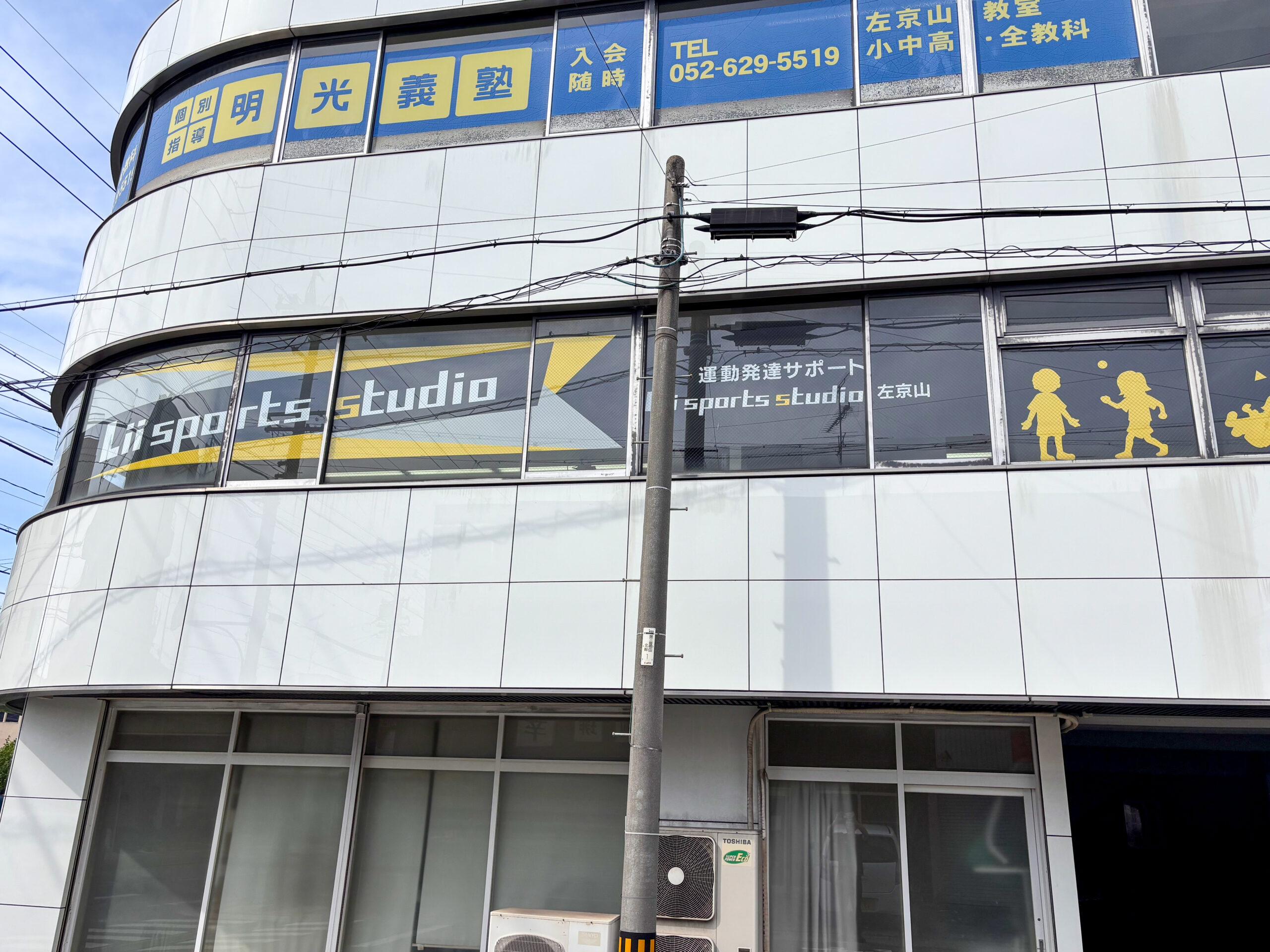
Lii sports studio

Lii sports studio

Lii sports studio

Lii sports studio

Lii sports studio

Lii sports studio

Lii sports studio

Lii sports studio

Lii sports up!

Lii sports nana
Lii sports studio
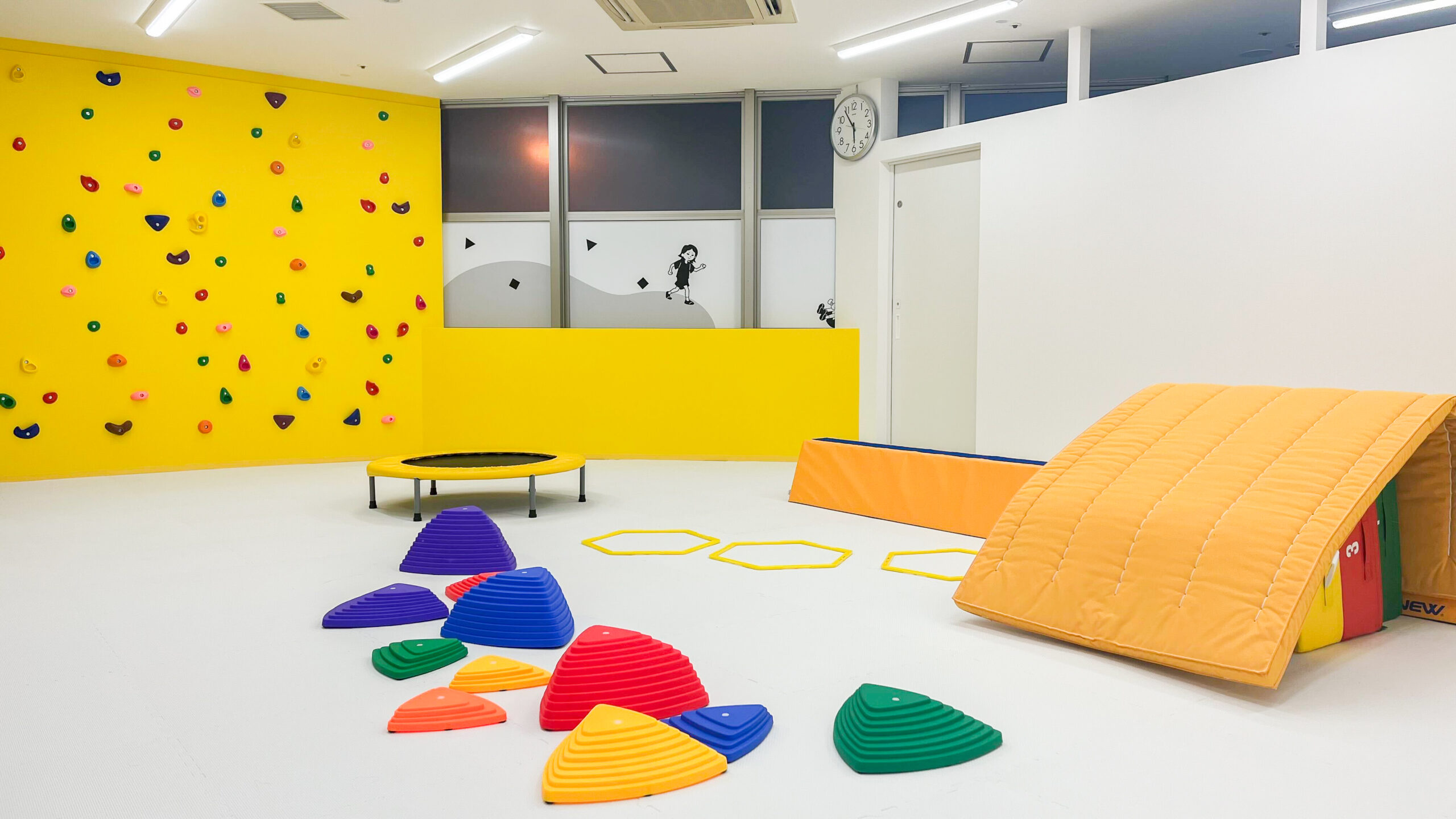
Lii sports studio

Lii sports studio

Lii sports studio

Lii sports studio

Lii sports studio

Lii sports studio

Lii sports studio
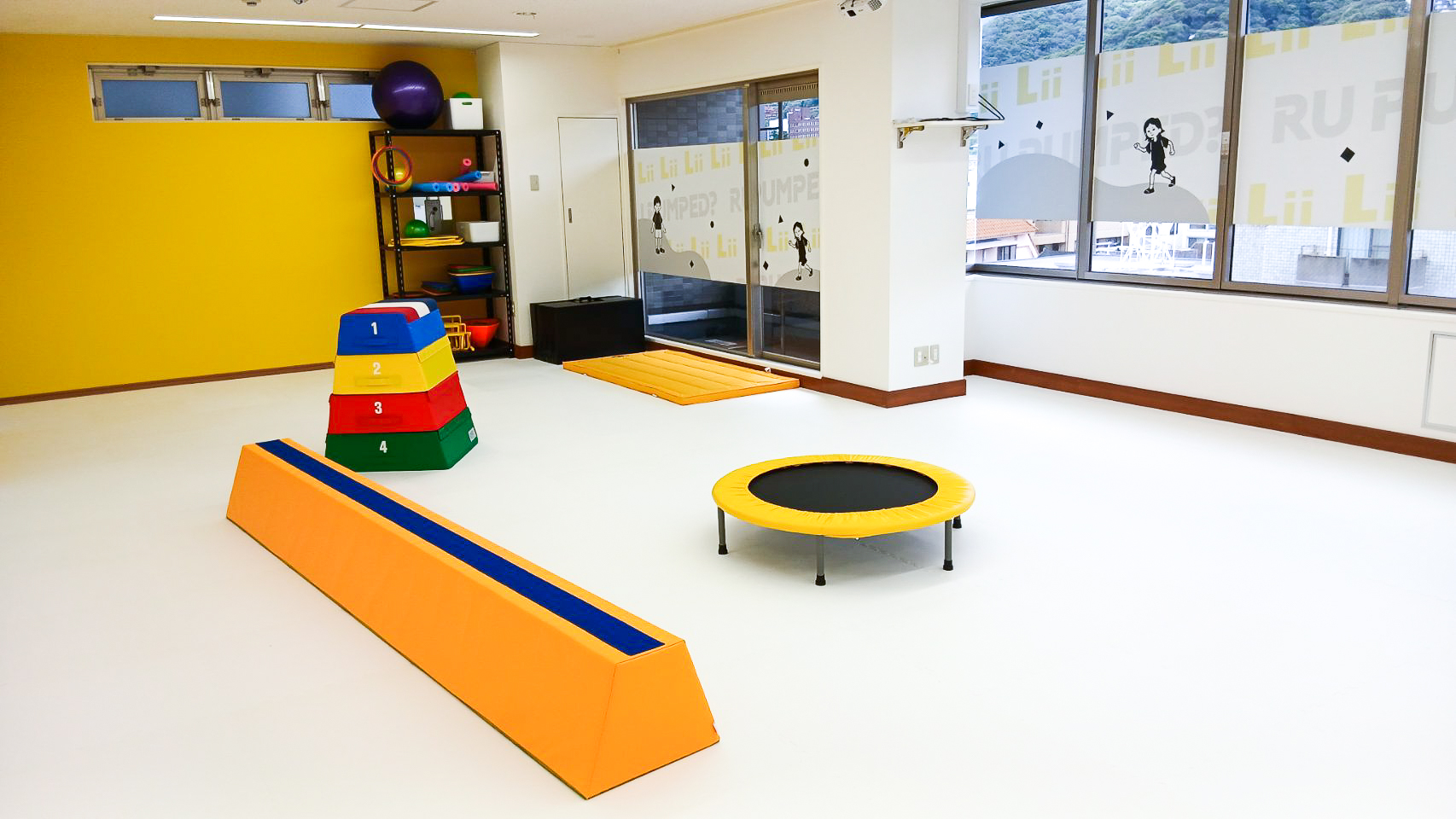
Lii sports studio
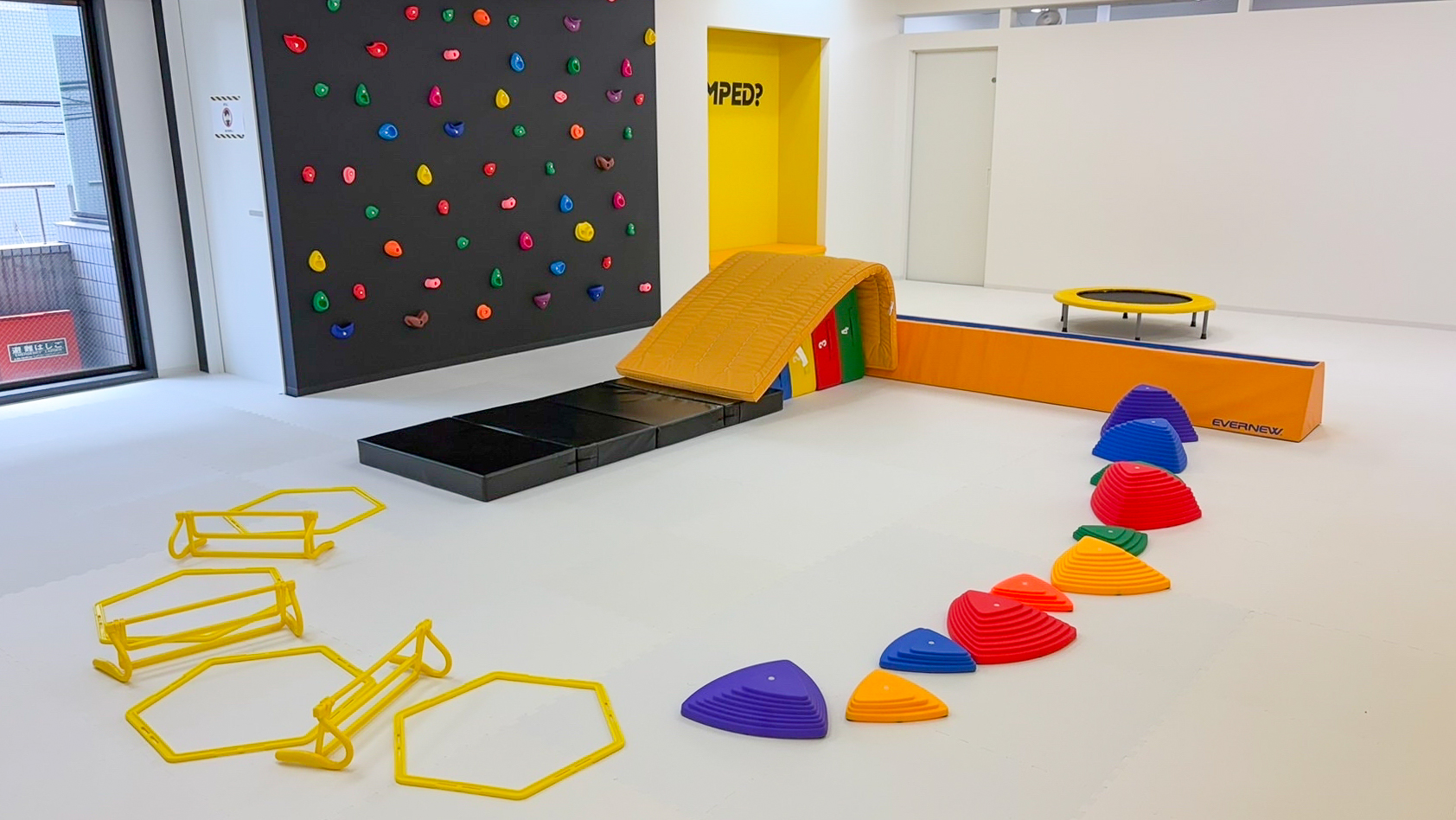
Lii sports studio

Lii sports studio

Lii sports studio

Lii sports studio

Lii sports up!
Lii sports studio

Lii sports studio
Lii sports studio

Lii sports studio

Lii sports studio
 Contact Us